 Mark Luigi Dacumos
Most seniors want to stay in their homes as they age, but standard houses aren’t built for mobility challenges or safety concerns. Strategic modifications like wheelchair ramps, walk-in tubs, and stair lifts can make your home safe and accessible, often with financial help from government programs.
What Aging in Place Modifications Actually Mean
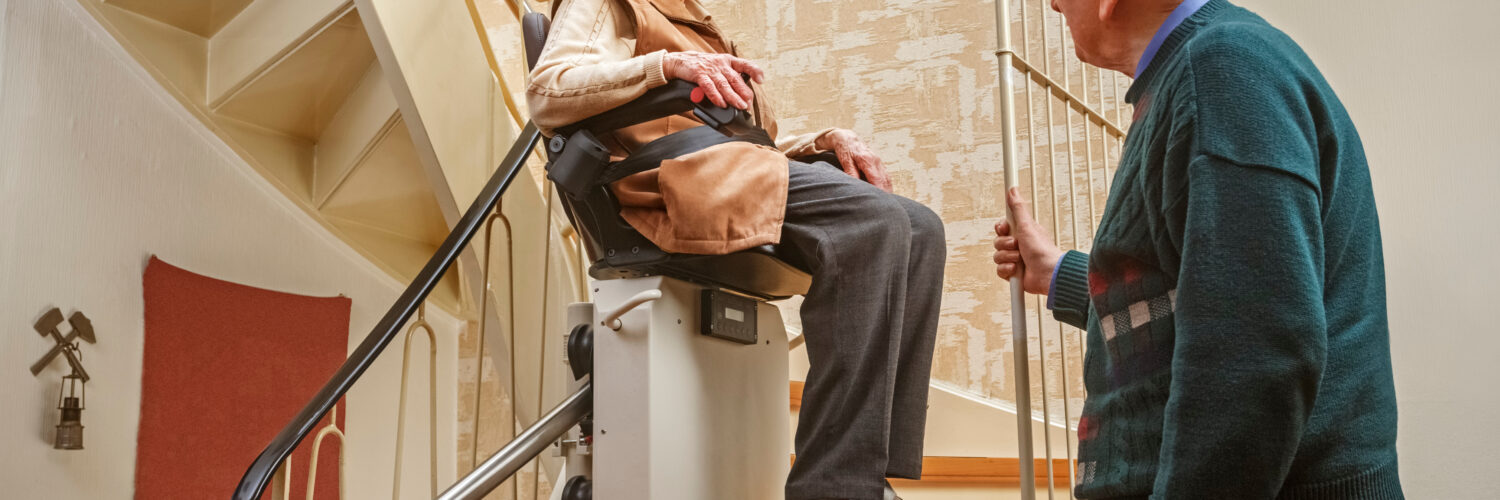
Aging in place modifications are changes to your home that make it safer and more accessible as you get older. These aren’t cosmetic upgrades. They’re practical solutions that help you maintain independence when climbing stairs becomes difficult or when balance issues make bathrooms dangerous. Common modifications include widening doorways for wheelchair access, installing grab bars in showers, adding ramps to replace steps, improving lighting in hallways and stairways, and lowering countertops in kitchens. You might need lever-style door handles instead of knobs, raised toilet seats, or non-slip flooring in wet areas. Some seniors require more extensive changes like stair lifts, walk-in bathtubs, or roll-in showers. The specific aging in place modifications you need depend on your mobility level, any chronic conditions you manage, and how your home is currently configured.
Which Safety Modifications Medicare and Medicaid Cover
Medicare traditionally doesn’t cover home modifications because it classifies them as home improvements rather than medical equipment. You’ll find that Original Medicare won’t pay for permanent changes like ramps or bathroom remodeling. However, Medicare does cover durable medical equipment you can take with you, such as walkers, wheelchairs, and hospital beds. Medicaid operates differently and offers more flexibility. Many state Medicaid programs include home modification benefits through waiver programs designed to keep seniors out of nursing homes. These programs recognize that spending a few thousand dollars on home modifications costs less than institutional care. Medicaid may cover bathroom safety equipment, ramps, stair lifts, and doorway widening depending on your state. You’ll need to apply through your state’s Medicaid office and typically require a doctor’s prescription explaining why these modifications are medically necessary. Some Medicare Advantage plans go beyond Original Medicare and include home modification benefits as extra perks, so check your specific plan details.
Federal and State Grants for Senior Home Modifications
HUD home repair grants through the Section 504 Home Repair program help low-income seniors make accessibility modifications. If you’re 62 or older and your household income falls below 50% of your area’s median income, you could qualify for up to $7,500 in grants or $40,000 in loans at very low interest rates. These funds specifically target safety improvements and removing health hazards. The Area Agencies on Aging across the country administer various grant programs for home modifications. Your local agency might offer direct grants, low-interest home improvement loans, or connections to volunteer programs that install safety features at reduced costs. The Veterans Administration provides grants for disabled veterans through the Specially Adapted Housing grant and Special Housing Adaptation grant programs. These grants reach up to $101,754 for severely disabled veterans who need substantial home modifications. Many states run their own home repair grants programs specifically for seniors. Contact your state housing finance agency to learn about local options that complement federal programs.
Tax Credits and Deductions for Accessibility Improvements
The federal tax code allows you to deduct medically necessary home modifications as medical expenses on your tax return. When your total medical expenses exceed 7.5% of your adjusted gross income, you can deduct the amount that exceeds that threshold. This includes aging in place modifications your doctor recommends for medical reasons. The improvement must be medically necessary rather than increasing your home’s value to qualify. Installing a ramp, widening doorways, or modifying bathrooms for wheelchair access typically qualifies. The Residential Renewable Energy Tax Credit might apply if your modifications include energy-efficient features like better insulation or solar panels alongside accessibility improvements. Some states offer additional tax credits for accessibility modifications, so check with your state tax agency about local incentives.
How Much Common Modifications Cost and What They Include
Installing grab bars in your bathroom typically costs between $100 and $300 per bar when professionally installed. A basic wheelchair ramp runs $1,000 to $3,000 depending on length and materials, while stair lifts range from $3,000 to $10,000 based on your staircase configuration. Walk-in tubs represent a bigger investment at $5,000 to $15,000 including installation. Converting a standard bathtub to a roll-in shower costs roughly $4,000 to $8,000. Widening doorways to accommodate wheelchairs averages $700 to $2,500 per doorway. You might spend $200 to $500 on lever-style handles throughout your home and another $500 to $2,000 on improved lighting systems. Non-slip flooring installation costs $3 to $12 per square foot. These prices vary significantly based on your location, the contractor you choose, and your home’s existing structure. Getting multiple quotes helps you understand the real costs in your area.
Finding Qualified Contractors for Senior Safety Installations
You need contractors who understand the specific requirements of aging in place modifications, not just general handymen. Start by asking your local Area Agency on Aging for recommended contractors who specialize in accessibility work. Many agencies maintain lists of vetted professionals. The National Association of Home Builders has a Certified Aging-in-Place Specialist program, so look for contractors with this CAPS designation. Your state’s independent living center can suggest contractors experienced with disability modifications. Always verify licenses, insurance, and references before hiring anyone. Ask to see photos of completed accessibility projects similar to what you need. Some contractors specialize in working with grant programs and can help you navigate the application process while planning your modifications. Be wary of contractors who pressure you to sign immediately or ask for large upfront payments.
Get connected with aging in place specialists who can assess your home and help you apply for modification funding.