 Happy Home Insider
If COVID-19 has you worried about food, we’ll look at how WIC could ease those fears.
Getting Food During the COVID-19 Pandemic
How can you feed your family when you lost your job or significant income due to the coronavirus shutdowns? You could turn to your emergency fund or any savings, but what if you have none?
STOP!
Do you need a financial reset? If you owe more than $10,000 here is a debt relief resource available to help you today.
Using some of your $1,200 stimulus check money from the CARES Act could help, as could unemployment benefits at $600 per week. But if you didn’t qualify for either, you may still be looking for ways to eat on a bare-bones budget.
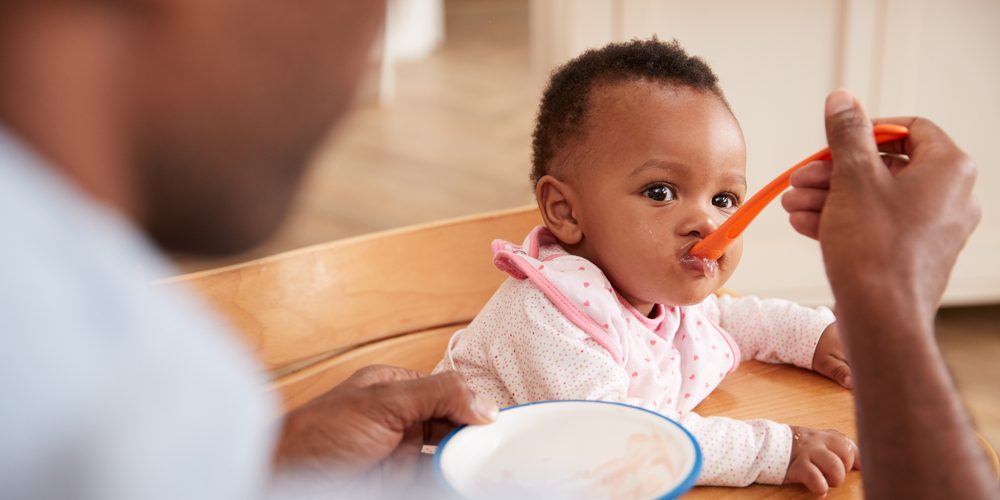
Food stamps could help via the Supplemental Nutrition Assistance Program, as could local options via religious centers and food banks. But if you’re looking for yet another way to get free food, WIC may help, especially if you fit into one of these categories that it was meant to serve: Women, infants, or children.
How does WIC work, and how can it help you keep food in your kitchen? Let’s jump into that now.
How to Qualify for WIC
The WIC food program requires applicants to meet four basic requirements to be eligible for benefits. First, they must fit into one of these categories:
- Pregnant women
- Postpartum women
- Breastfeeding women
- Infants
- Children up to five years old
Second, they must meet income requirements. This can be accomplished by meeting specific income guidelines which are adjusted each year and can be found here, or by already receiving other benefits. The latter results in automatic income eligibility and is achieved if you or a family member receives federal or state benefits such as Medicaid, TANF, SNAP, etc.
Third, WIC requires the applicant to show that they have a nutritional risk that must be fulfilled. This can either be medically-based, such as having issues related to pregnancy or being underweight, or it can be diet-based as the result of having deficient nutrition. To determine nutritional risk, WIC offers free health screenings by professionals.
Last but not least, WIC requires applicants to meet a state residency requirement. This is rather straightforward and simply requires that you live in the state where you hope to receive WIC benefits.
WIC Food Benefits
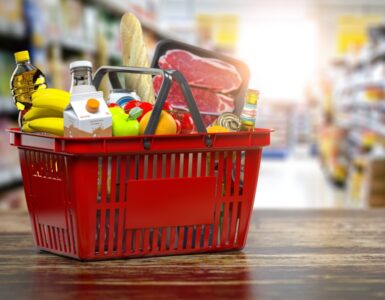
Unlike food stamps where options may be more varied, WIC food benefits tend to focus on specific items that women, infants, and children would need. Examples of what you may receive or be able to purchase as a WIC recipient include milk, eggs, fruits, vegetables, peanut butter, juice, baby foods, and infant formula.
Depending on where you live, you may receive food packages delivered to your door. If this is not an option, you may receive EBT cards, vouchers, or checks to make those purchases on your own.
Applying for WIC
WIC has an online Prescreening Tool that can quickly tell you if you’re eligible for benefits. You can find it here. You can also learn more about WIC, including how to apply, by going here.

 Mark Luigi Dacumos